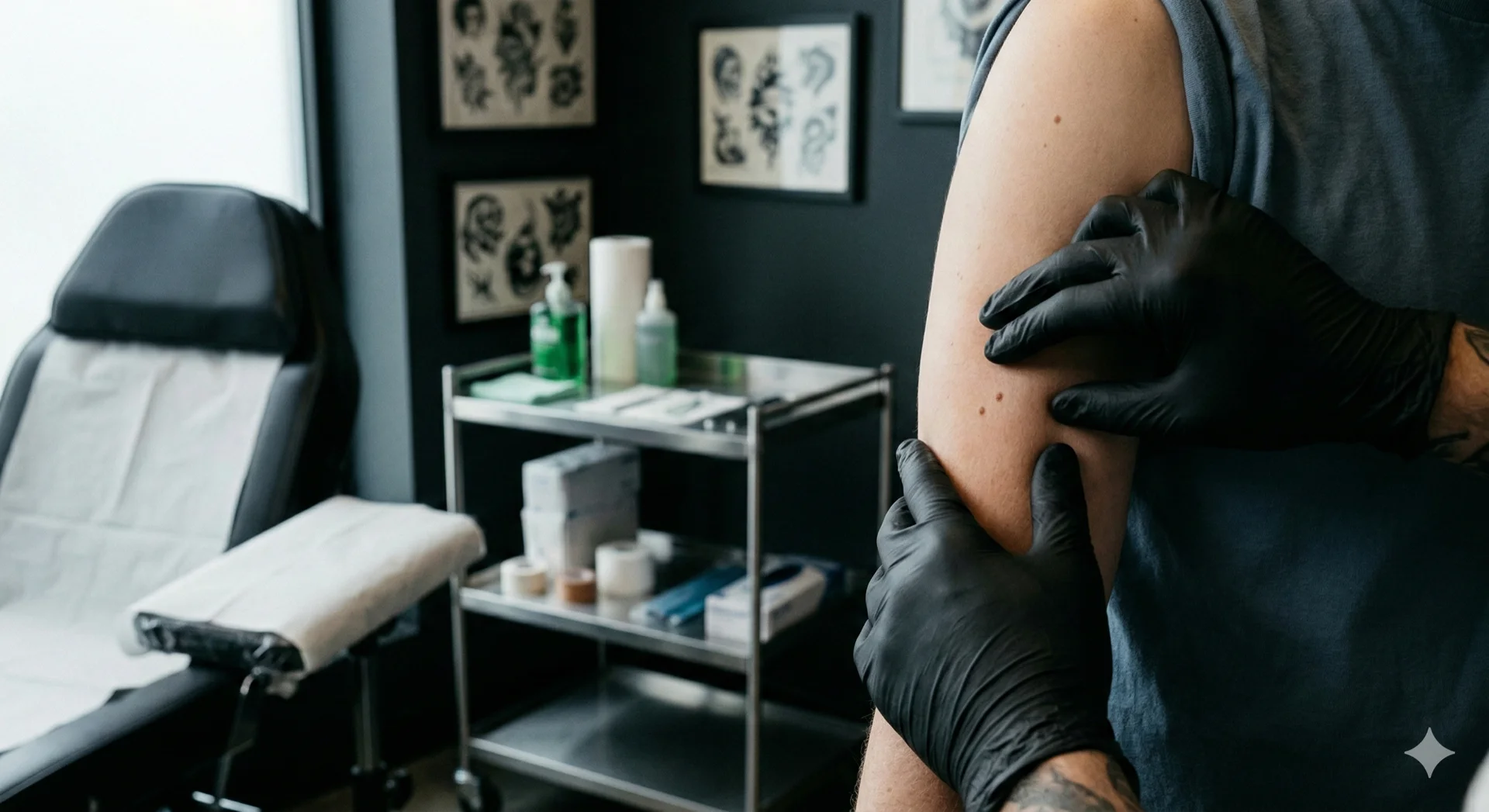
Client Skin After Winter: What Every Artist Needs to Know
Key Takeaways Late-winter skin is different from summer skin. Months of dry heat and cold air leave the barrier compromised, surface texture rough, and moisture depleted. It doesn’t reverse the day spring arrives. Read the skin before you commit. Visual assessment at the start of the appointment is worth two minutes. It can save you hours of difficult session work. Know when to reschedule. Severely compromised skin is a legitimate reason to push back an appointment. It’s not about being difficult — it’s about getting results. Technique adjustments matter. Dry, barrier-compromised skin responds differently under the needle. Glide behavior changes, saturation takes more attention, pacing may need to slow. Send pre-appointment instructions at booking. Most clients need to be told explicitly. Two weeks of daily moisturizing changes what you’re working with. Aftercare coaching is more important in spring. Skin that starts dry needs consistent, diligent moisture during the aftercare period — more than a summer client would. Natural glide products perform better on dry skin. Petroleum-based alternatives struggle on compromised skin. Natural formulations work with the skin instead of just sitting on top. Can You Tattoo on Dry Winter Skin? (What Artists Need to Know) Yes, you can tattoo on dry winter skin, but it requires specific technical adjustments. Winter-damaged skin has a compromised lipid barrier, leading to faster glide absorption, poor stencil adhesion, and difficult saturation. To get professional results, artists should assess elasticity first, use natural-ingredient glides to nourish the barrier, and consider rescheduling if the skin is actively cracking or flaking. ...